What is Anthracite?
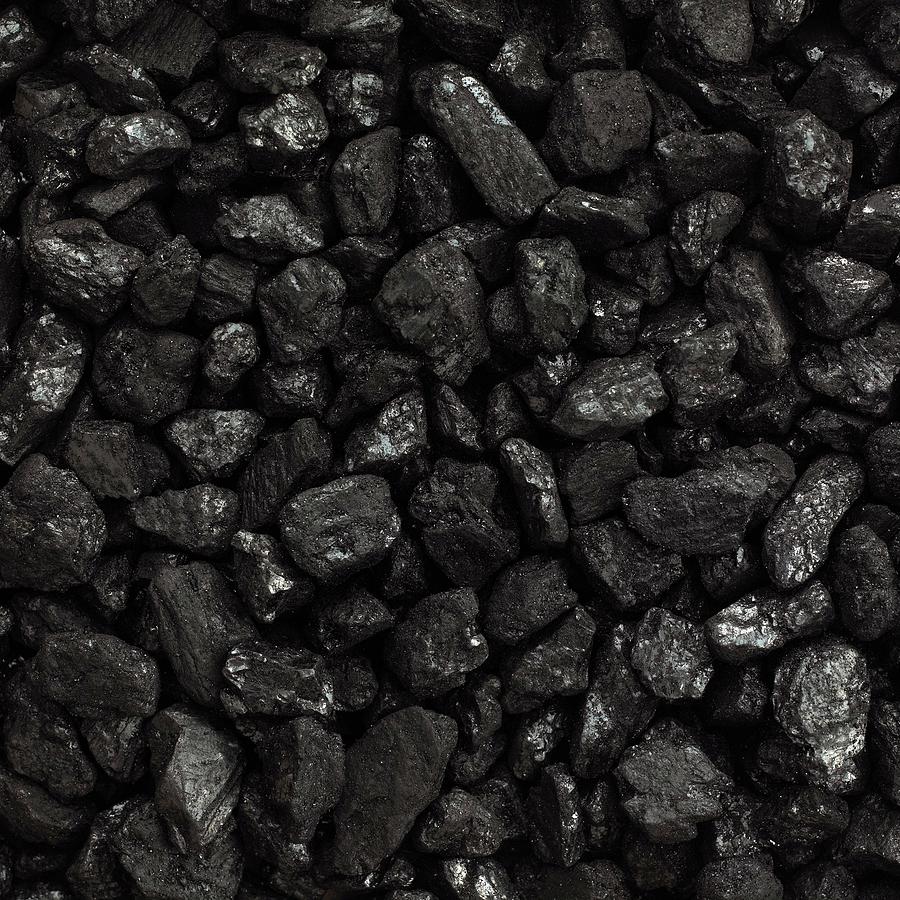
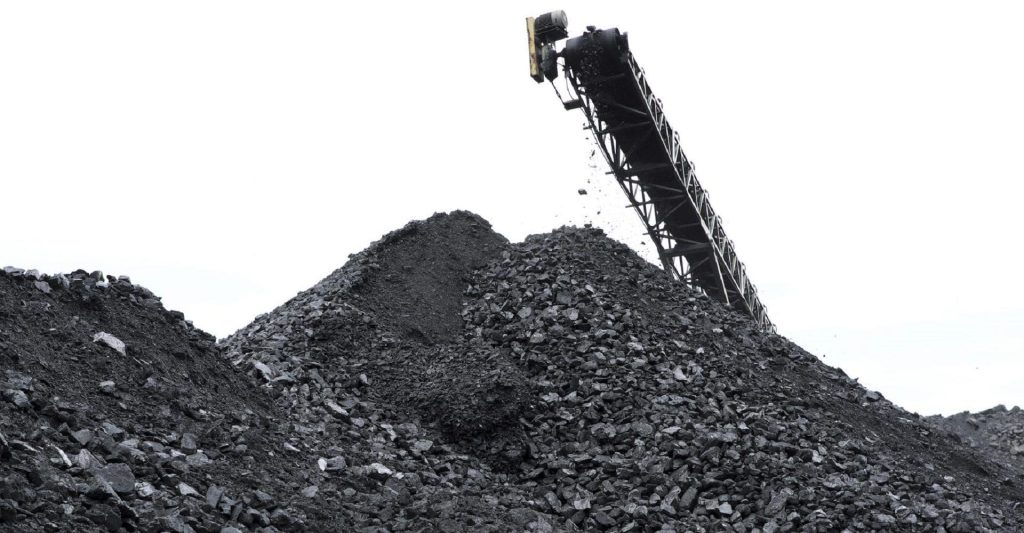
Anthracite coal, is the oldest type of coal around and it is mined from the oldest geological deposits, with the longest time underground. Anthracite has been subjected to heavy pressure and heat, making it a dense and compressed material. Also called Hard Coal, Anthracite contains great potential to produce heat energy from combustion.
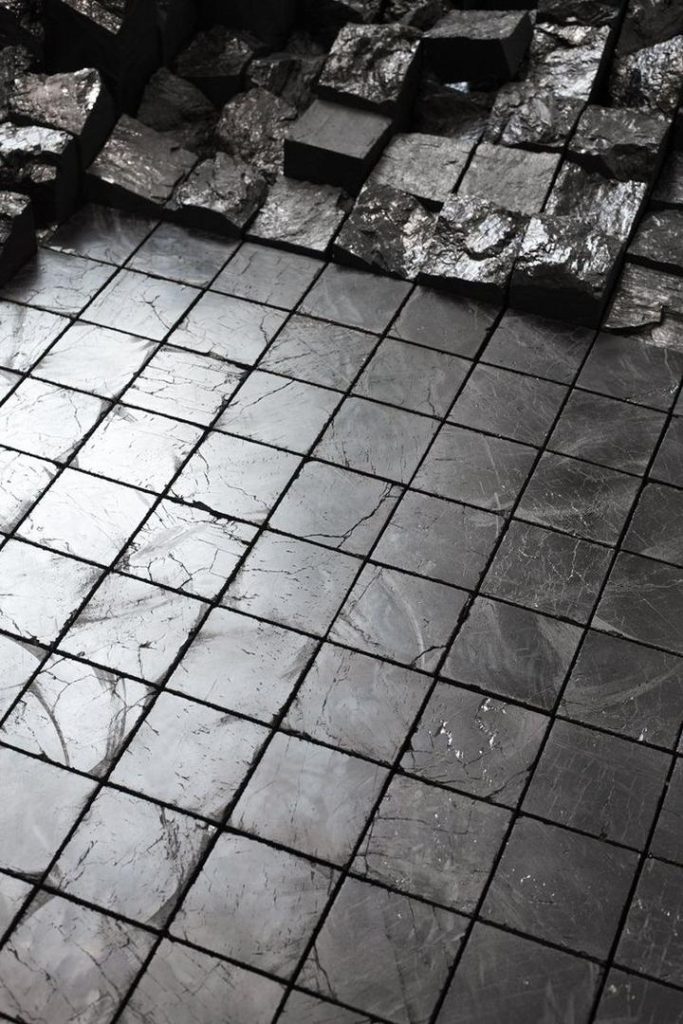
Strong coal or hard coal, also known as anthracite, is hard, has a compact a submetallic lustre. It is the highest rating among coals because of it superior carbon content, less impurities and the highest energy density. Anthracite is the most metamorphosed coal with carbon weight content of 65 to 98 percent from different resources and is difficult to ignite and while in Ignition it produces a brief, blue, smokeless flame.
Anthracite contains relatively low sulfur and nitrogen with content of volatile matter relative to its carbon content, and ash content ranging 5 to 30 percent. Moisture content could depend on mining environment, yet the natural moisture is generally 5 to 15 percent. This coal is slow-burning and difficult to ignite due to its high density resulting in very few coal plant to actually burn it.
Anthracite Applications
Anthracite can be used for a variety of purposes in different fields and industries. Some of the common applications of Anthracite are as follows:
- Heating Systems
As a very volatile kind of coal, Anthracite is an excellent source for long-term heat production processes.
- Smelting
Strong Coal can be used in its natural form in the steel industry despite its high carbon content.
- Anthracite Water Filtration Systems
This material with its specific density and unique shape have vast use in water purification processes. The use of anthracite with sand as a filter for water purification is among the most efficient cleaning methods for industrial, processed, swimming pool and municipal water. Partially the cleaned water could be used for drinking purposes.
- Anthracite Solvent Extraction
A trendier application is in copper industry to clean the flow of electrolytes in solvent extraction and electrowinning. When applying dual media filters, the solvent extraction system will improve the quality of cathodes while minimizing costs of extraction.
- Redox Glass Carbon
Through mixing hard coal with Sulphur and Iron salts, a compound is obtained that allows yellow or amber colored glass and darker shades of glass productions. Furthermore, the compound can also improve the strength of the glass and removal of all glass venerable qualities.
Chemical Composition of Anthracite
Anthracite generally contains the below elemental structure based on the carbon content it carries.
| C | H | O | N | S | Ash | Vm |
|---|---|---|---|---|---|---|
| 65 | 3% | 2.5% | 1% | 1-2 | 25 | 7-10 |
| 70 | 3% | 2.5% | 1% | 1-2 | 20 | 7-10 |
| 75 | 3% | 2.5% | 1% | 1-2 | 13 | 7-10 |
| 80 | 3% | 2.5% | 1% | 1-2 | 10 | 7-10 |
Our supply of Anthracite
Zista Group supply of Anthracite ore is in its basic processed pulverized form, generally in mesh size of 30-40. Upon request, additional processing to smaller particles as small as 200 mesh size is available upon request.
Packaging of Anthracite powder can be inside Jumbo Bags, Paper Sacks or PP bags while palletizing is available upon request.